In short
Most damp is not rising damp. It is water getting in from somewhere it should not: a blocked gutter, open pointing, a failed flashing, ground levels built up above the damp course, or condensation with nowhere to go. Finding out which comes first, because the treatments are completely different and the wrong one is expensive.
Signs you need damp proofing
- A tide mark low down on an internal wall
- Blown or bubbling plaster, or salts on the surface
- A musty smell in a room that never quite goes
- Black mould in corners, on cold walls or behind furniture
- Damp that appears only after heavy or driven rain
- Ground, decking or a patio built up above the outside damp course line
What the job involves
Look outside first
Far more damp is caused by gutters, pointing, flashings and ground levels than by a failed damp course. Outside is where we start.
Check the roof and the roofline
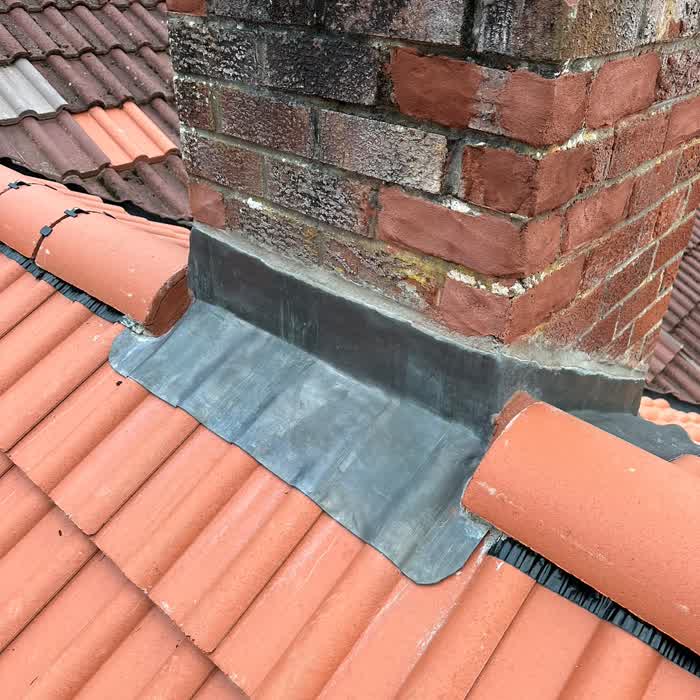
Being roofers, this is the part most damp specialists cannot properly assess. A chimney flashing or a blocked valley produces damp that looks exactly like a wall problem.
Separate condensation from ingress
They look similar and they are fixed differently. Ventilation, insulation and heating patterns matter as much as anything structural.
Fix the cause
Clear and realign the gutter, repoint the elevation, re-lead the flashing, lower the ground level. Usually cheaper than the alternative.
Only then treat the wall
Where a damp course really has failed it gets dealt with. Plenty of walls get injected and replastered when the actual problem was a downpipe.
Want someone to take a look?
Send a photograph of the problem and you will get a straight answer on what it needs, at no cost.
Damp Proofing near you
Frequently asked questions
Is rising damp real?
It exists but it is diagnosed far more often than it occurs. A great deal of what gets treated as rising damp is penetrating damp, condensation, or ground levels bridging the damp course.
My mortgage survey flagged damp. What now?
Get someone to establish the cause who is not selling the treatment. Because we are roofers first, we have no reason to find a problem that needs injecting.
Will replastering fix it?
Replastering hides it. If the water is still getting in, it comes back through the new plaster, usually within a couple of years.
Can damp come from the roof?
Frequently, and it often shows up on a wall a long way from the entry point. It is one of the most commonly missed causes.
Do you treat mould?
We deal with what is causing it. Cleaning mould off without fixing the moisture behind it means it comes back.