In short
The fascia carries your guttering and the soffit closes the gap underneath it. When they rot, the gutter sags and pulls away, and water gets behind the roof edge into the ends of the rafters, which is a considerably bigger job than the roofline itself.
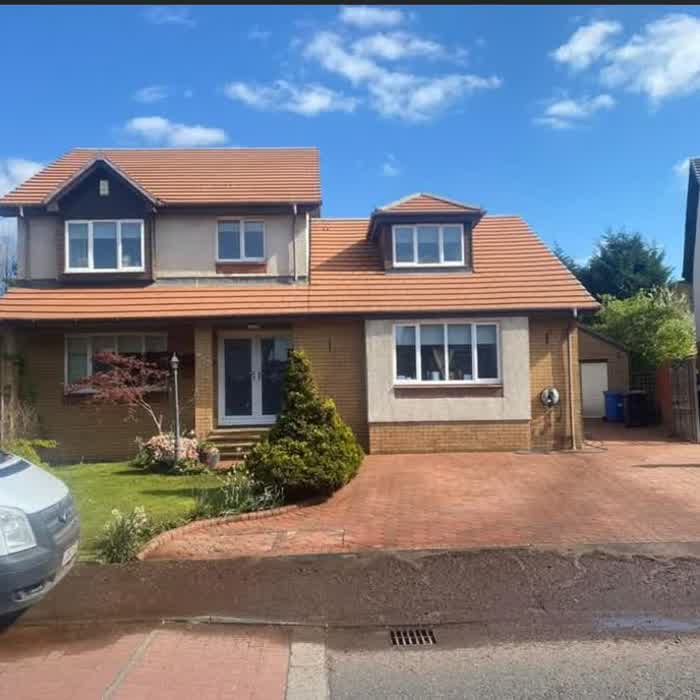
Signs you need soffits and fascias
- Paint flaking off timber fascia, or timber that feels soft to a screwdriver
- Gutter pulling away from the wall or sagging between brackets
- Birds or wasps getting into the roof space at the eaves
- Green or black staining across a white UPVC board
- Soffit boards sagging or with visible gaps
- Daylight visible at the eaves from inside the loft
What the job involves
Take the gutter off and see what is really there
Roofline damage is almost always worse than it looks, because the visible board hides the rafter ends behind it.
Cut back to sound timber
Rotten rafter feet get cut out and spliced rather than boxed over. Capping over rot is the most common shortcut in this trade and it buys about three years.
Rebuild the roofline
New fascia and soffit fixed to solid timber, ventilation kept or improved so the roof space still breathes.
Refit the rainwater goods
Gutter rehung to a proper fall, brackets at the right spacing, downpipes reconnected.
Close the gaps
Eaves sealed against birds and squirrels without blocking the ventilation the roof needs.
Want someone to take a look?
Send a photograph of the problem and you will get a straight answer on what it needs, at no cost.
Soffits and Fascias near you
Frequently asked questions
Can you just cap over the old timber?
It is offered a lot because it is quick and cheap. We would rather not: if the timber underneath is wet it stays wet, and you find out in a few years when the gutter comes down.
UPVC or timber?
UPVC on most modern housing because it does not need painting. Painted timber on period property and in conservation areas where plastic would look wrong.
Will you need scaffolding?
Usually yes. It is work at height along a whole elevation, and it is safer and neater from a scaffold.
Does new roofline stop condensation in the loft?
It can help a great deal, because eaves ventilation often gets blocked when insulation is topped up. We keep the airflow when we rebuild it.
Can you do just the front of the house?
Yes, and it is common. The elevation that takes the weather usually goes first.