In short
Most houses around here are tiled: clay if they went up between the wars, usually concrete if they went up after. The two age completely differently, and knowing which you have decides whether you are looking at a repair, a re-bed or a re-roof.
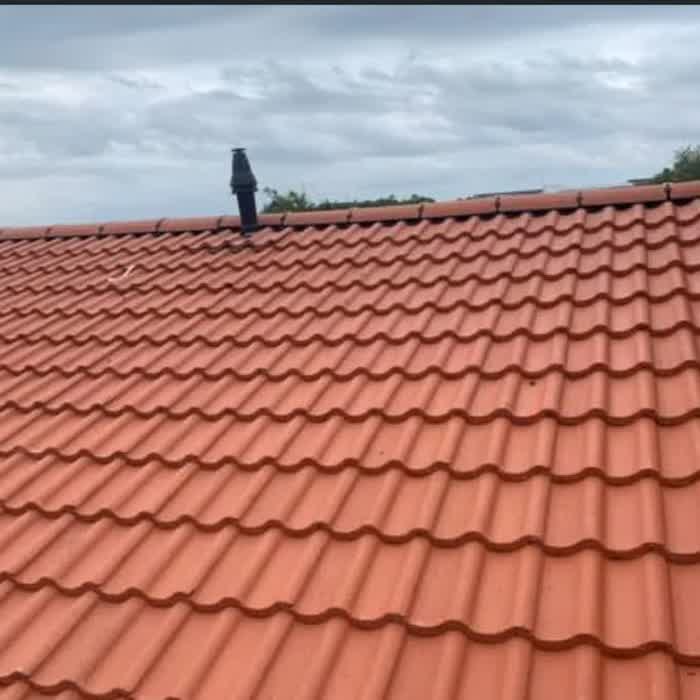
Signs you need tiled roofing
- Tiles slipping in runs rather than one at a time
- Ridge or hip tiles rocking, or mortar on the ground below them
- Tiles that look dark and mossy and hold water long after rain
- Cracked or flaking tile faces, particularly on concrete
- Daylight visible between tiles from inside the loft
- Verge mortar along the gable cracked away or missing
What the job involves
Work out what you have got
Clay and concrete look similar from the ground and behave nothing alike. Clay slips when the nibs or nails fail; concrete goes porous and heavy while staying put.
Check the battens and membrane
A tile is only as good as what it hangs on. If the battens are soft the tiles will keep moving whatever we do to them.
Re-bed or re-fix as needed
Ridges and hips raked out and re-bedded, or dry-fixed where that suits the roof better. Slipped tiles refixed properly rather than clipped over.
Sort the junctions
Valleys, abutments and anywhere the tiling meets a wall or a stack. That is where tiled roofs actually leak.
Clear down
Broken tile and old mortar away, gutters cleared out, the ground swept.
Want someone to take a look?
Send a photograph of the problem and you will get a straight answer on what it needs, at no cost.
Tiled Roofing near you
Frequently asked questions
Is dry ridge better than mortar?
It is more forgiving, it does not wash out, and it lets the roof breathe. Mortar bedding done properly still works and suits some older roofs better visually. We will tell you which we would use and why.
Can you match my existing tiles?
Usually. Clay tiles from the twenties and thirties are still findable reclaimed, and most concrete profiles have a current equivalent.
My tiles are covered in moss, is that a problem?
On a shallow pitch it can be, because moss holds water against the tile and adds weight. On a steeper roof it is often cosmetic. Pressure washing a tiled roof usually does more harm than good.
How long should a tiled roof last?
Clay commonly outlives its fixings, so the tile is fine and the nails are not. Concrete tends to last well and then go porous fairly quickly.
Do I need the whole roof done or just one slope?
One slope is perfectly reasonable if the other is sound, and it is often the south or west facing side that goes first.